

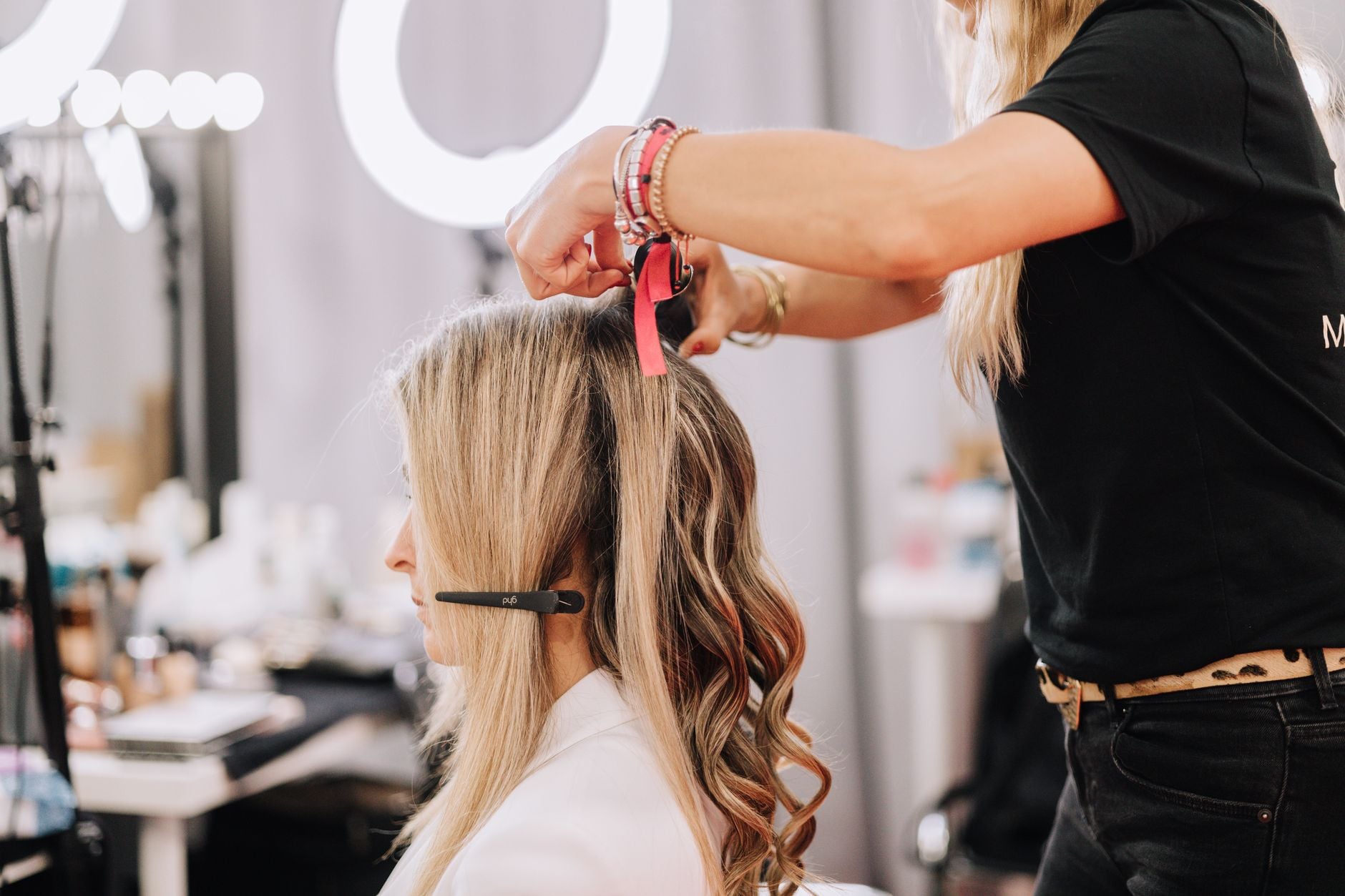
Stylists comparing hair extension methods compared across application, longevity, and hair type often find the decision rests less on brand preference and more on technique suitability. Tape-in, nanobond, and weft systems each solve different styling problems, and professionals familiar with the basics still benefit from a closer look at how they diverge in practice. Beauty Works offers several of these systems, including tape, bonded, and weft formats, each built around its own application logic and maintenance demands.
Understanding Application Differences Across Beauty Works Methods
Every extension method relies on a different mechanism to attach hair to the natural strand. Tape-based systems sandwich a weft between adhesive strips, while bonded methods fuse individual sections with a heat or clamp-based process. Weft systems, by contrast, rely on a track sewn or braided into the hair rather than an adhesive bond.
These structural differences shape everything downstream, from how long a method lasts to how it tolerates heat styling. Stylists working through hair extension methods compared on longevity alone often note that bonded systems can outlast tape in terms of root movement tolerance, particularly on finer densities where sectioning has to stay minimal. A stylist working with fine hair faces different constraints than one working with coarse or chemically treated strands. The Beauty Works range gives stylists a point of reference for comparing those constraints directly.
Slimline® Tape Extensions: Precision and Discreet Placement
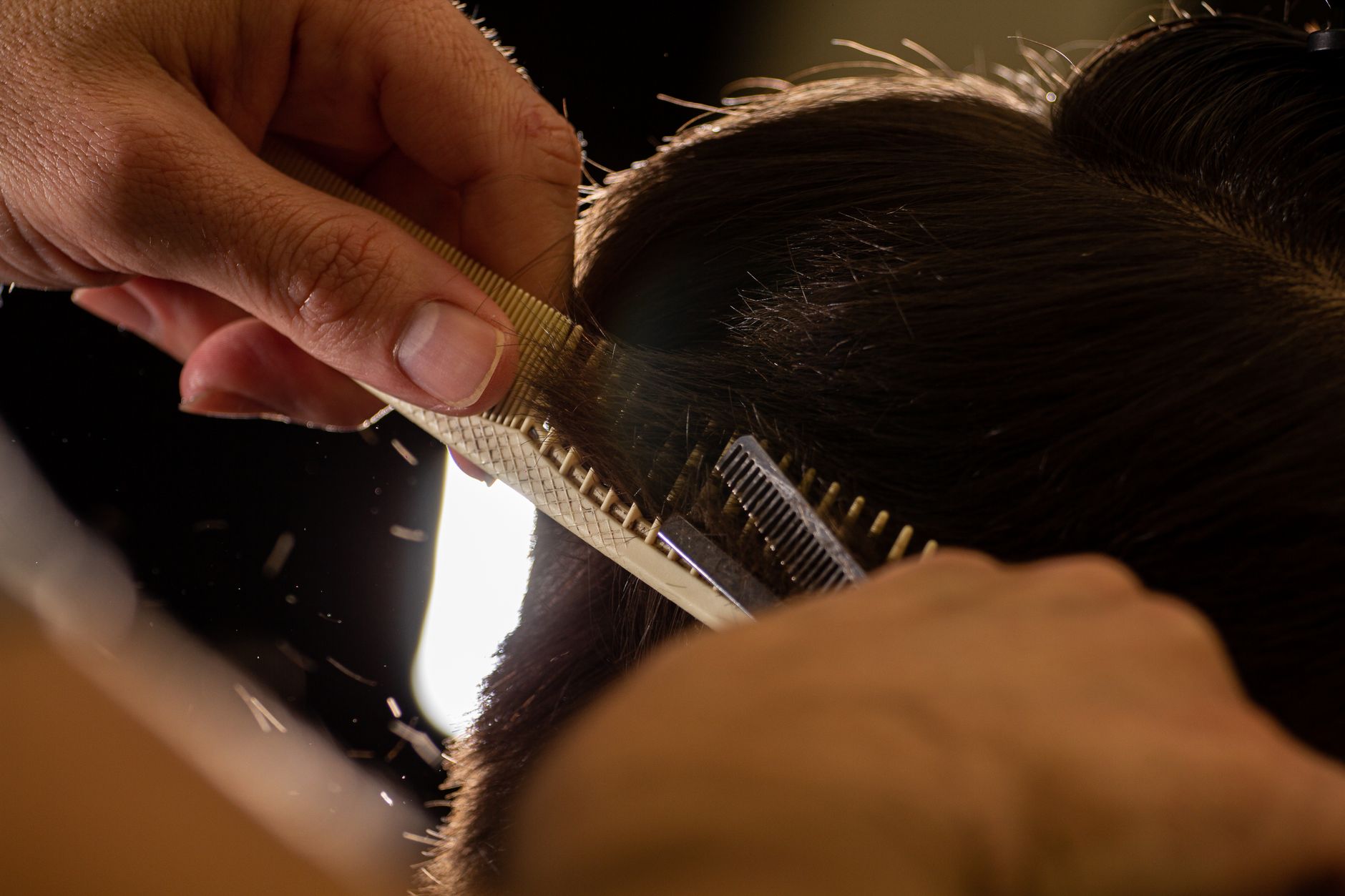
Slimline® tape wefts use a narrower, flatter base than standard tape sections, which allows for a less visible line at the root. This design suits clients who want volume or length without bulk near the scalp. The adhesive strips are applied in sandwich fashion, with natural hair secured between two matching sections.
Because the tape lies flat, re-application tends to be quicker than bonded methods, making it a common choice for stylists managing high client volume. Placement still requires precision, since uneven spacing can create visible ridges as the natural hair grows out. Tape methods generally suit clients who want a lower-maintenance styling routine between salon visits, and Beauty Works positions Slimline® as one of its narrower-base tape options for that reason.
Nanobond® Technology: Bonded Application and Durability Considerations
Nanobond® represents a different category of attachment entirely, using a bonding process that fixes small sections of extension hair to the natural strand without the clamps or keratin glue associated with older bonding techniques. The bonds are designed to sit flat and small, reducing the bulk commonly associated with bonded extensions. This makes the method a candidate for finer hair types that might struggle under heavier attachment points.
Durability is one of the more frequently discussed aspects of nanobond systems, since bond strength affects how long sections hold between maintenance appointments. However, bonded methods typically require more application time upfront, which is a trade-off against their discreet finish. Beauty Works markets Nanobond® alongside its tape range as a separate route for clients who prioritize a smaller bond footprint.
Weft Systems: Gold Flat Track® and Express-Weft® Compared
Within the weft category, two formats serve different salon workflows. Gold Flat Track® uses a flat, weightless track designed to lie close to the scalp, reducing the ridge effect sometimes associated with traditional wefts. Express-Weft®, meanwhile, is built around a faster application method, aimed at stylists who need to reduce chair time without compromising the finished look.
Both systems avoid adhesive or bonding agents entirely, which makes them reversible and often gentler on natural hair over repeated use. That said, the track-based attachment requires sufficient natural hair density to disguise the braid or foundation underneath. For clients with thinner hair, a weft system from Beauty Works may need to be paired with careful sectioning to avoid visible gaps.
Invisitip® and Celebrity Choice® Stick Tip: Specialized Techniques
Invisitip® is engineered around a smaller, flatter bond point, intended to minimize visibility at the root while maintaining a secure hold. It occupies a similar space to nanobond in terms of discretion but uses its own distinct application process. Celebrity Choice® Stick Tip extensions, by contrast, use a pre-bonded tip applied with heat, offering a method that some stylists find faster for sectioned, strand-by-strand work.
Choosing between these two often depends on the texture of the client’s hair and how it responds to heat during application. Coarser hair types may tolerate the heat-bonded stick tip method more readily than finer strands. This is where a stylist’s assessment of hair type, rather than a single fixed rule, becomes the deciding factor among these specialized techniques.
Maintenance and Longevity Across Each Method
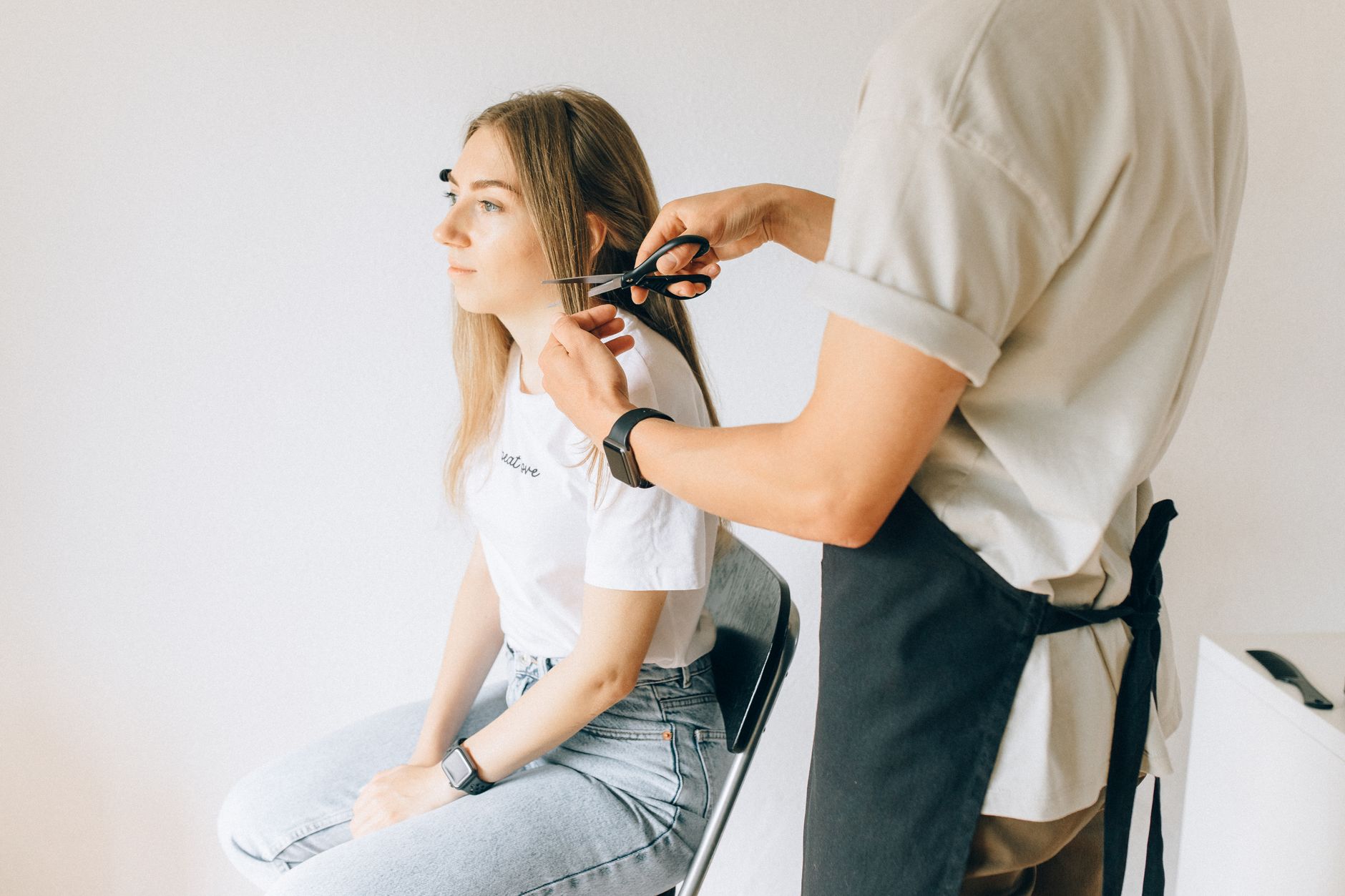
Longevity varies considerably depending on which system is used and how it is maintained afterward. Tape and bonded methods generally need more frequent check-ins to manage root movement, while weft systems can sometimes stretch slightly longer between salon visits due to their removable foundation. Across the board, the way a client washes, styles, and brushes extensions plays a direct role in how long any method performs well.
- Tape-in sections tolerate direct heat styling but require products free of oil-based ingredients near the bond to prevent slippage.
- Nanobond and stick tip methods generally withstand higher heat exposure since the bond itself is not adhesive-based.
- Weft systems benefit from sulfate-free washing to protect the track and reduce shedding at the foundation.
- Washing frequency tends to be lower for bonded methods compared with tape, since reduced water contact near the bond extends hold.
- Silicone-heavy conditioners are typically avoided near any bonded or taped section to prevent gradual loosening.
Reviewing these aftercare patterns alongside the application methods makes clear why hair extension methods compared in isolation can be misleading. A technique that performs well on one hair type may demand a completely different maintenance routine on another. Stylists weighing options offered by Beauty Works often find that matching aftercare expectations to lifestyle is as important as the initial application choice.
No single method wins across every category, since each trades speed, discretion, or durability for something else.