


Picking between gaming laptops vs gaming PCs usually comes down to how someone plays, where they play, and how much tinkering with hardware is wanted afterwards. Box stocks both platforms, and the practical differences run deeper than marketing copy usually admits. This piece looks at processors, graphics cards, screens, and upgrade paths to work out when each platform actually earns its place in a gaming laptops vs gaming PCs decision.
Gaming Laptops at Box: Portability and Modern Processors
Box lists gaming laptops built around current processors paired with dedicated graphics chips. These machines target smooth multitasking alongside gameplay, which matters for anyone streaming or running background applications. Portability remains the defining trait, with lightweight and compact designs aimed at people who move between locations often.
The laptop range at It also includes high-resolution screens and long-lasting batteries, keeping visuals sharp and devices powered through a working day without a charger nearby. Some models bring touchscreens and 2-in-1 functionality, extending use beyond conventional gaming setups. That combination of display quality and battery stamina is part of what separates laptops from their desktop counterparts in the catalogue.
Gaming PCs at Box: Customisation and Graphics Card Performance
The gaming PC lineup at Box leans into configuration rather than portability. Buyers can look at high-speed processors designed to optimise a rig’s responsiveness during demanding titles. State-of-art graphics cards feature prominently, aimed at immersive visuals rather than general-purpose computing.
Premium RAM modules are part of the picture too, supporting enhanced multitasking and faster game responsiveness. Customisable PC cases let buyers add style alongside function, something a sealed laptop chassis cannot offer. For anyone weighing PCs on raw internals, the desktop side of the range clearly leads on sheer component choice.
Processor Generations and Gaming Performance Across Platforms
Processor choice shapes performance regardless of form factor. Box markets its laptops with the latest processors available for that category, positioning them for demanding multitasking as well as play. Desktop processors in the gaming PC range are described as high-speed, built specifically to optimise a rig’s overall efficiency.
A laptop processor has to balance performance against heat and battery constraints inside a slim chassis. That is why desktop chips get framed around raw speed and optimisation instead of portability, since a tower never has to make that same compromise. Airflow and power delivery simply are not boxed into a thin shell the way they are in a laptop, which is one of the clearest technical lines running through any comparison of gaming laptops vs gaming PCs.
Dedicated Graphics Cards: Desktop Advantages in the Box Range
Gaming PCs at Box are built around state-of-art graphics cards marketed for immersive visuals and seamless gameplay, and this focus sits at the centre of the desktop range’s appeal. Laptops also include dedicated graphics alongside their processors, which supports smoother visuals on the move. However, the emphasis in the laptop messaging sits more on multitasking and screen quality than on graphics card headroom specifically.
That framing signals where each platform’s strengths typically lie. A desktop buyer chasing maximum frame rates has more headroom to work with, while a laptop buyer trades some of that ceiling for a machine that travels. Neither approach is wrong, but the two sit at different points on the same scale within gaming laptops vs gaming PCs decisions.
Display Technology: Screen Ratios and Resolution Differences
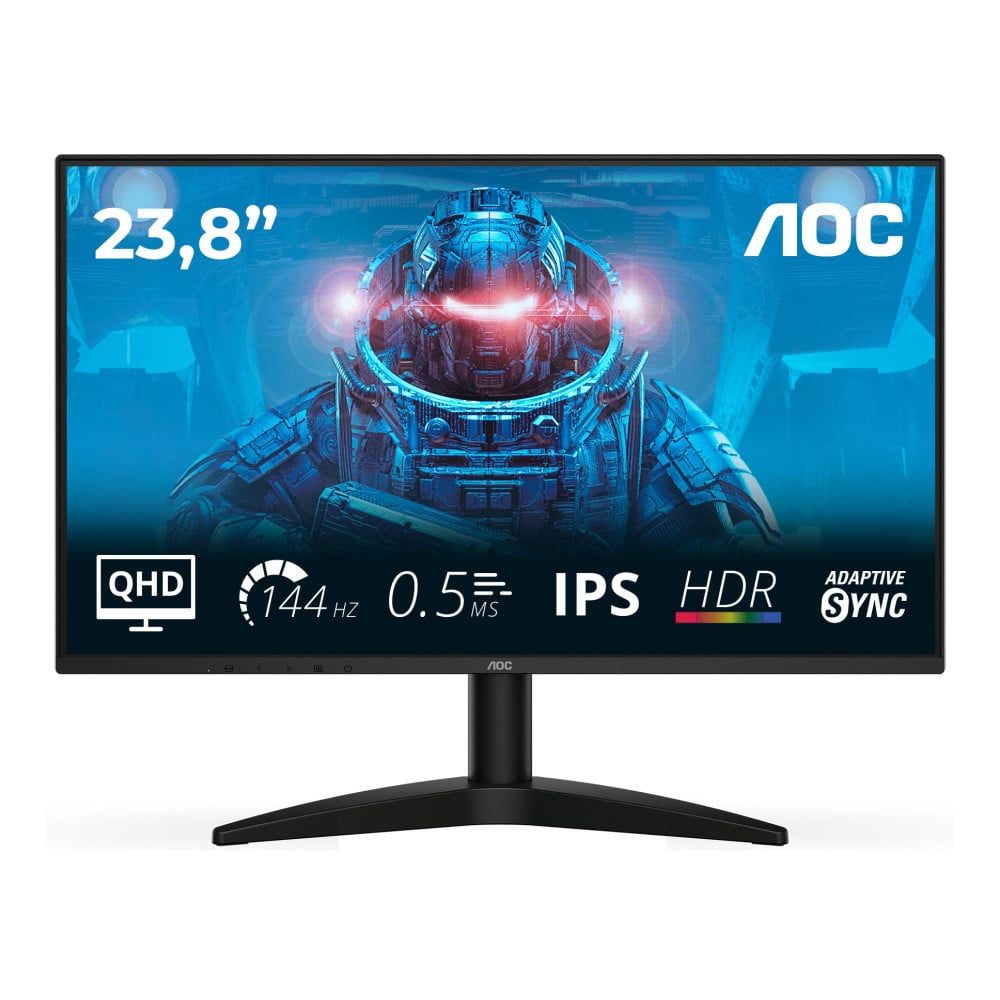
Screens are where the two platforms diverge in physical terms. A laptop buyer accepts whatever panel ships with the unit, built directly into the chassis as part of the original specification. Box also stocks separate gaming monitors, which is the route taken by most desktop owners instead of a built-in panel.
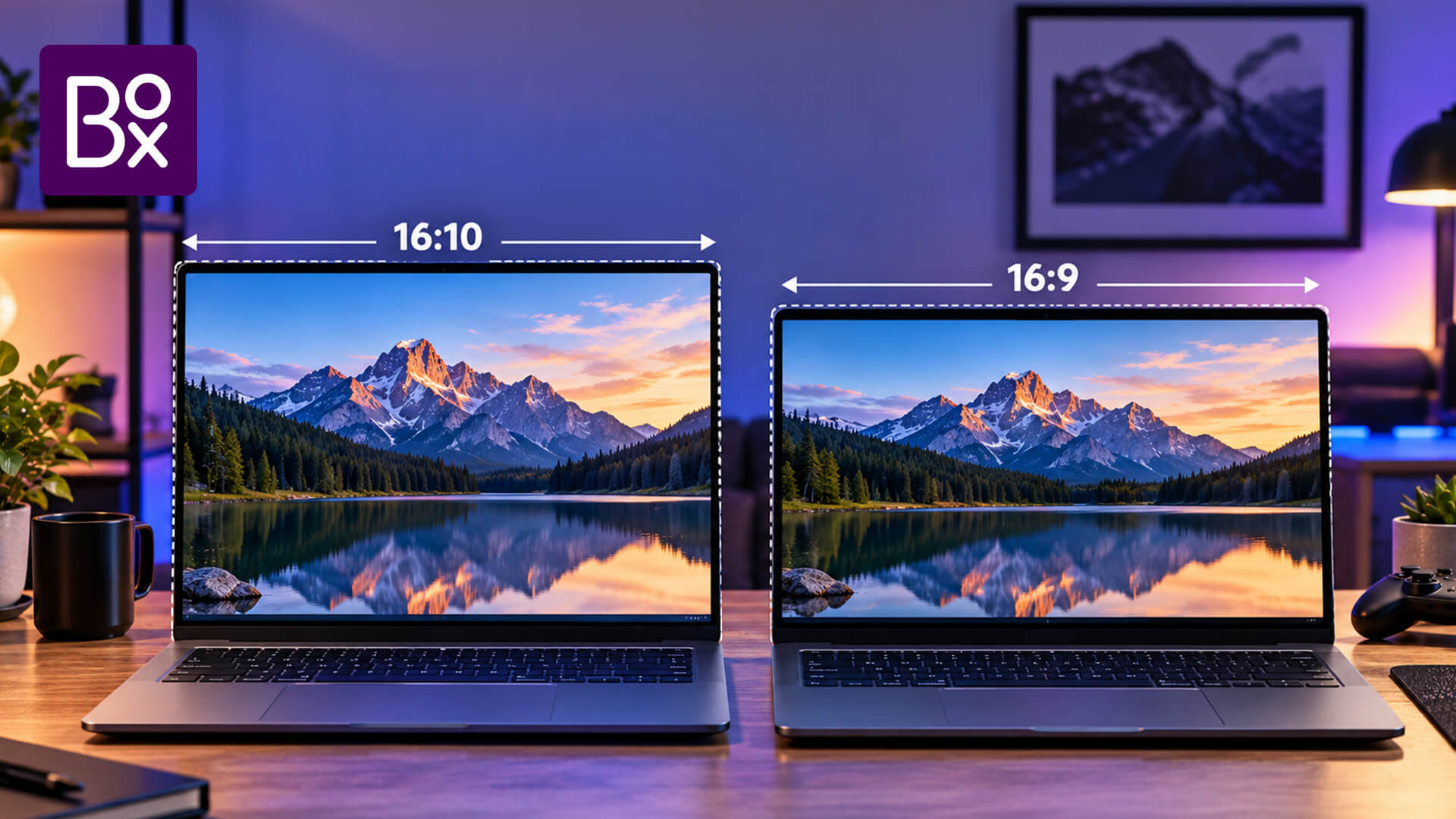
Screen ratio itself is part of that laptop decision, since panels commonly ship in either 16:10 or 16:9 proportions, each suited to slightly different use. A desktop buyer instead chooses a monitor independently from the gaming monitor range, matching it to available desk space or viewing preference. Resolution and ratio become a separate purchasing decision entirely once the system itself is a tower rather than a laptop.
Upgradeability and Long-Term Component Strategy
Long-term flexibility is another area where the two platforms pull apart. Gaming PCs at The brand are built around customisable cases and component choices, including processors, graphics cards, and RAM modules, that can be addressed individually over time. Box also sells these parts separately under its components and graphics card categories, which supports that kind of ongoing adjustment.
Laptops are not structured the same way. A gaming laptop from Box arrives as a complete unit, with its processor, graphics, and screen fixed at purchase. That makes the initial specification choice more significant for laptop buyers than for desktop buyers, since there is less scope to revisit individual parts later.
- Gaming laptops from Box pair current processors with dedicated graphics in a single portable chassis.
- Gaming PCs from Box are built around high-speed processors and state-of-art graphics cards chosen separately.
- Desktop RAM modules are described as premium, aimed at multitasking and game responsiveness.
- Customisable PC cases give desktop buyers a route to physical styling that laptops do not offer.
- Components and graphics card categories allow desktop parts to be replaced or upgraded individually.
- A separate gaming monitor range sits apart from laptop screens, letting desktop owners pick a display independently.
Weighing gaming laptops vs gaming PCs ultimately comes down to whether portability or long-term component control matters more for a given setup.